
 Nobuaki Sato
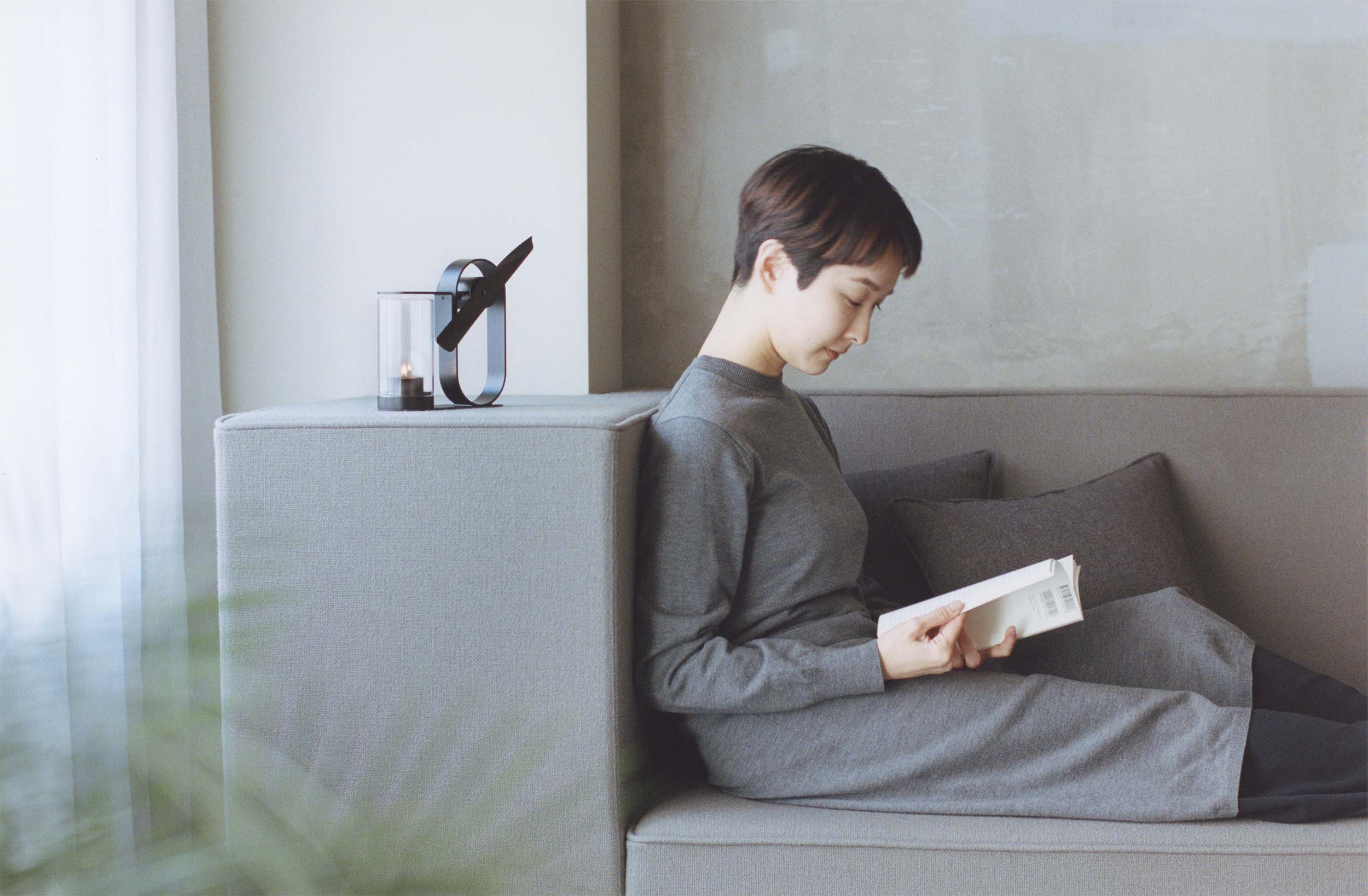
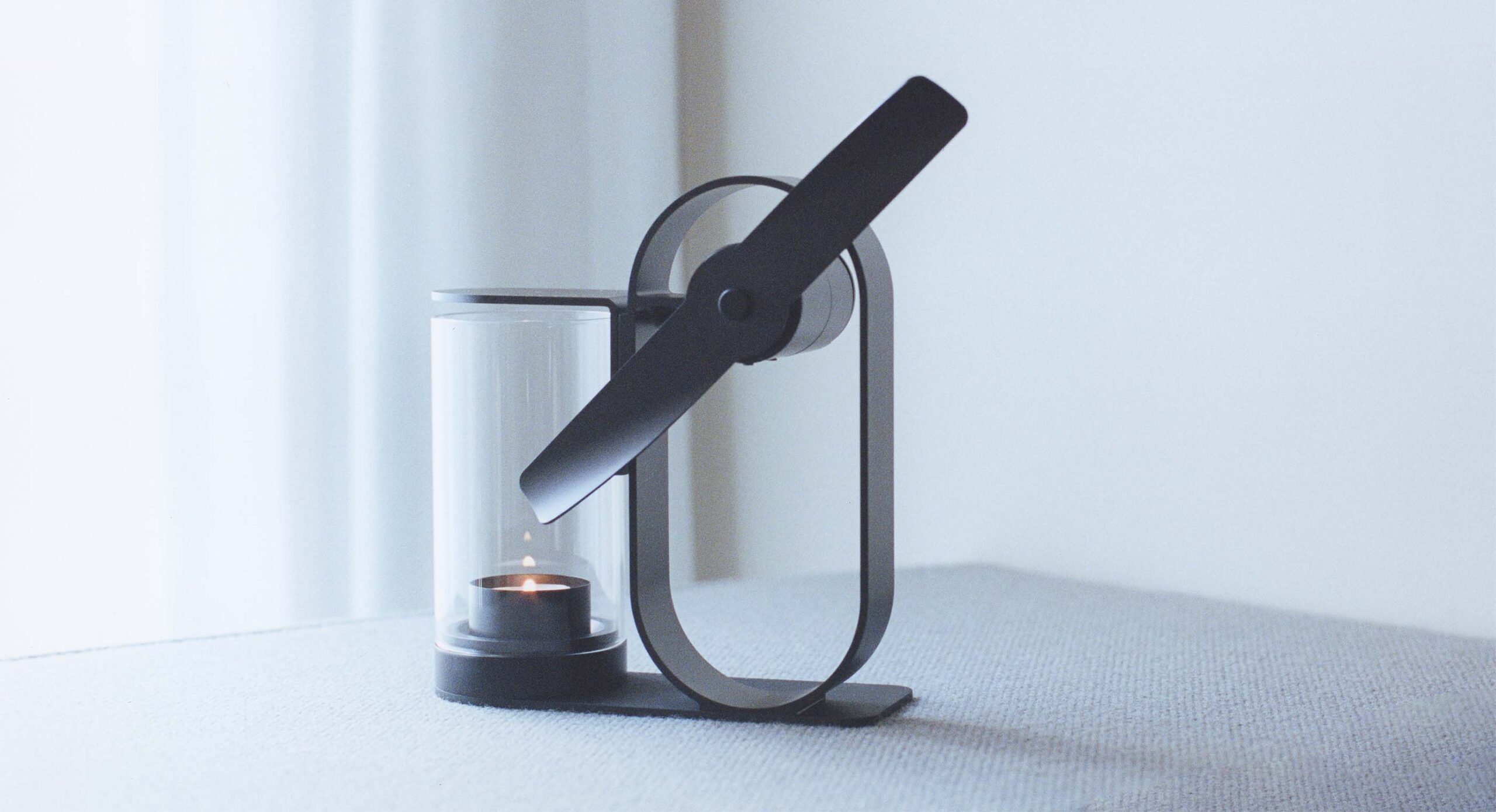

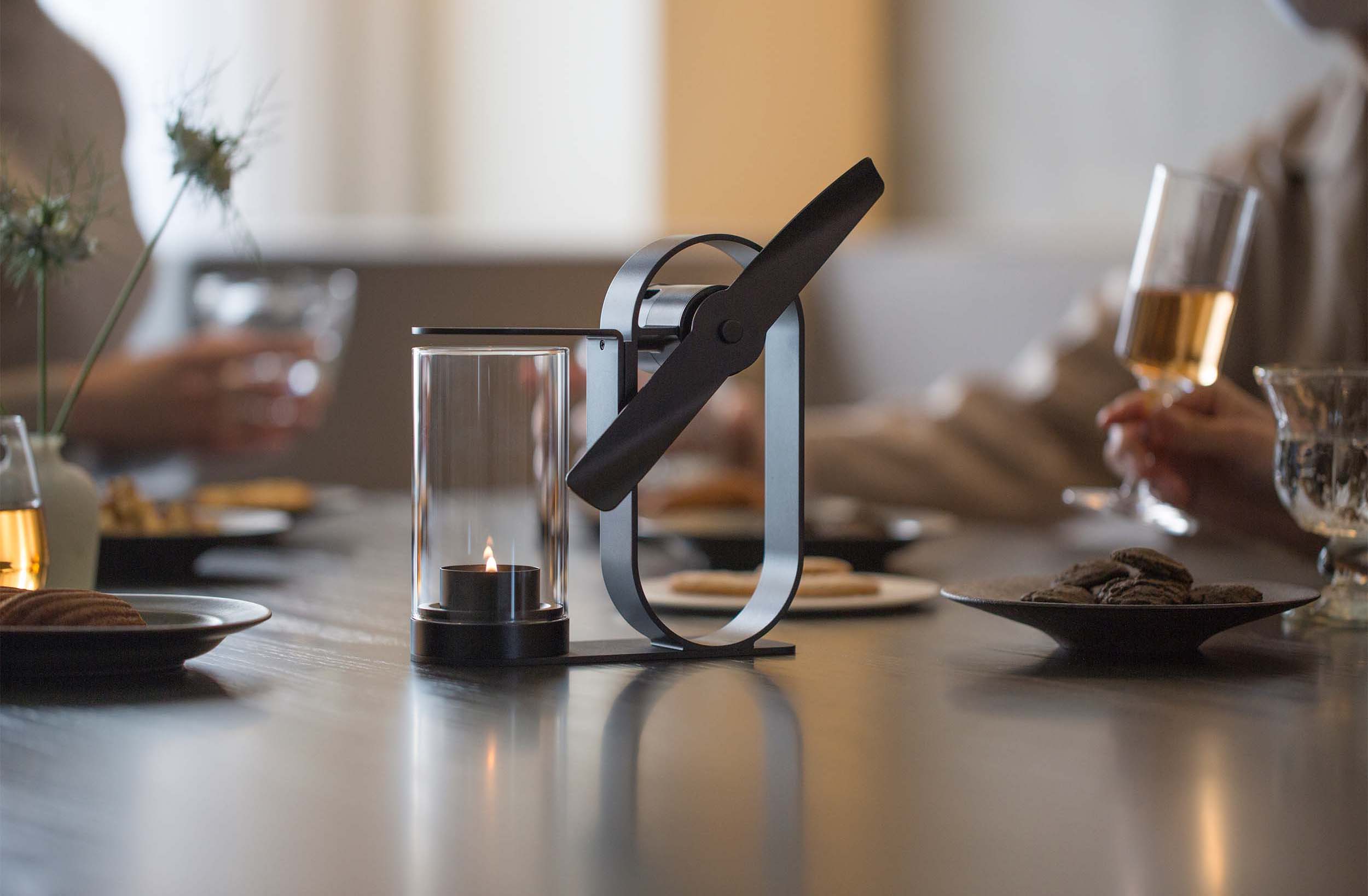
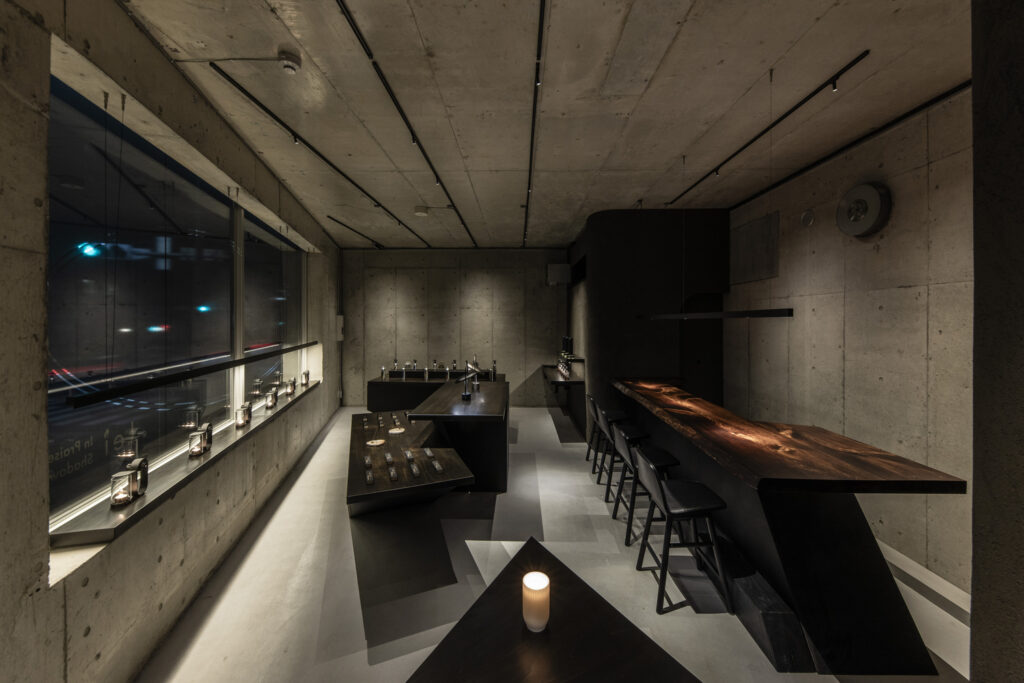
We are drawn to the measured creation within Japanese aesthetics — not only the interplay of light and shade, but also the choices that determine what is left unspoken.At Lei, we work with these ideas as practitioners.
In Praise of Shadows is not a reference we admire from afar, but an attitude that sharpens how we understand the beauty found within shadow, the restraint, and the presence that arises from what stays deliberately understated. Our work begins with a simple question: How can these principles live in objects made for today? Each project becomes an investigation — into proportion, form, and the way something behaves over time. Materials matter, but only as one part of a larger intention: to create things that live with people without asking to be at the center.
How Shadow Shapes Perception
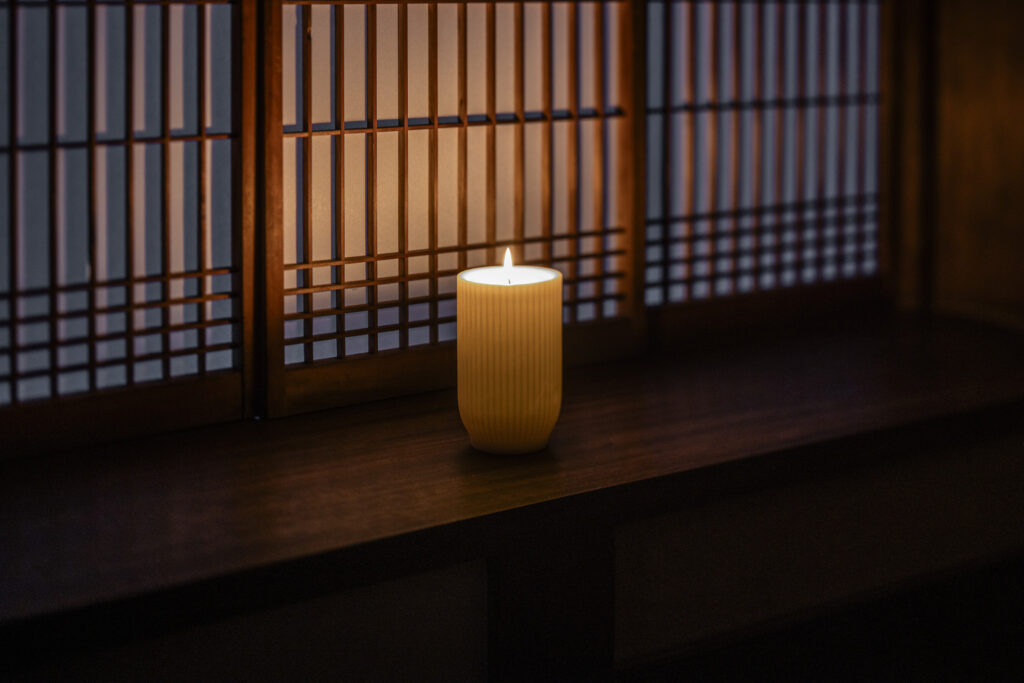
For us, shadow is not a byproduct of light, but a condition that shifts perception — revealing a contour, softening a surface, or slowing a moment long enough for attention to meet it. Our design principles are guided by this lens. When certain details fade, others take shape: balance, tension, the meeting point between elements. Shadow allows these relationships to surface at their own pace. In practice, it acts almost like a collaborator — one that challenges excess and encourages decisions that feel unforced. What emerges is not austerity, but ease: forms made to live alongside people rather than dominate a room.
What Remains When Excess Falls Away
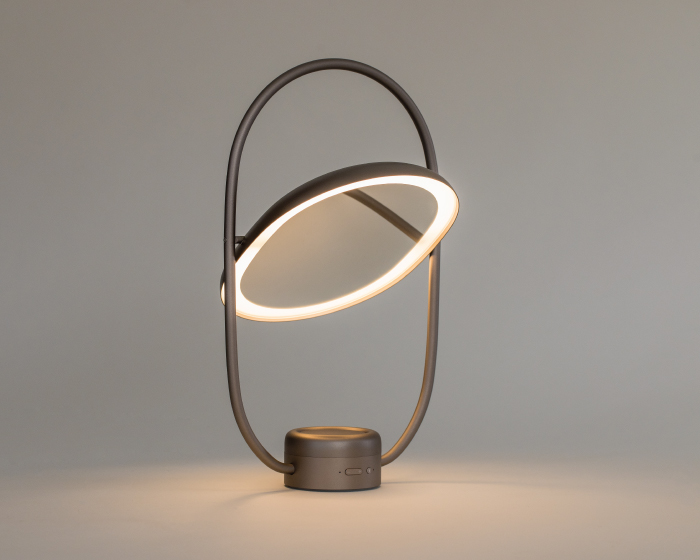
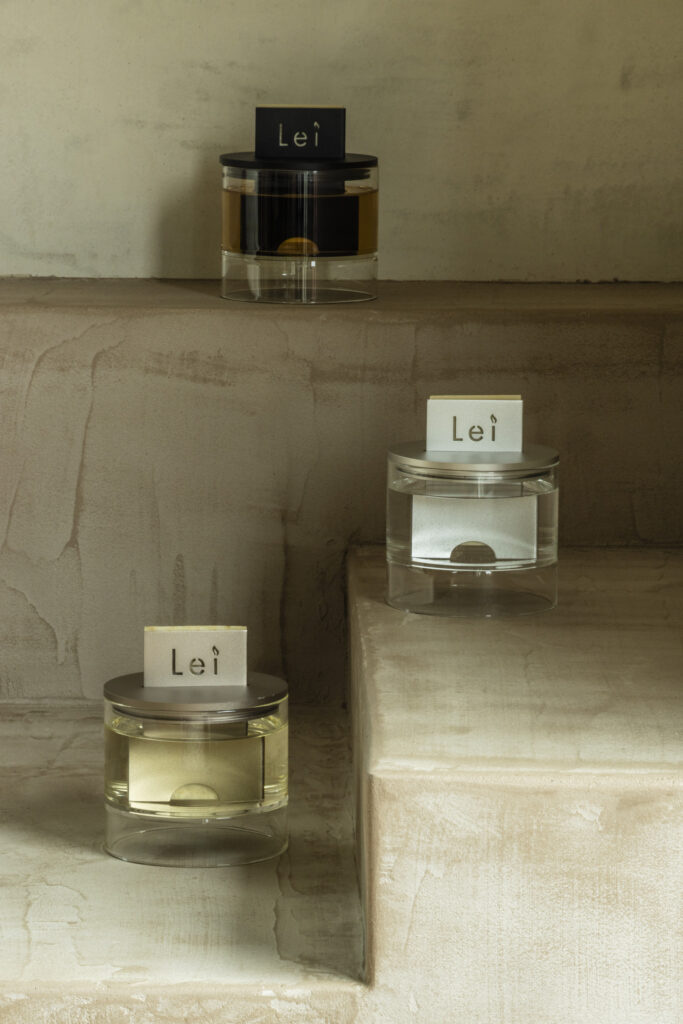
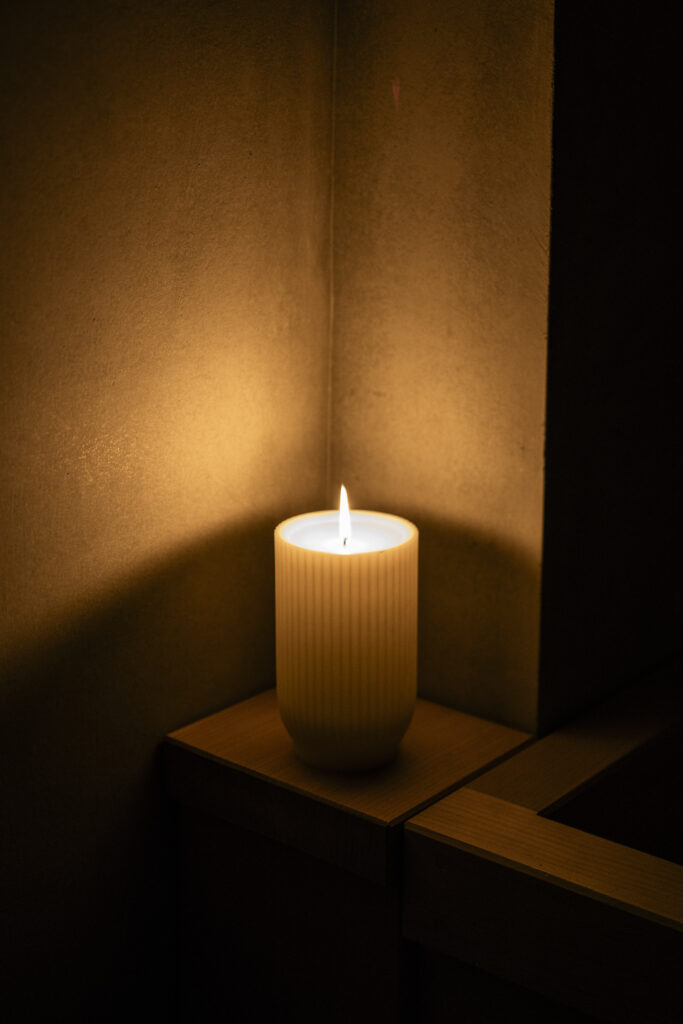
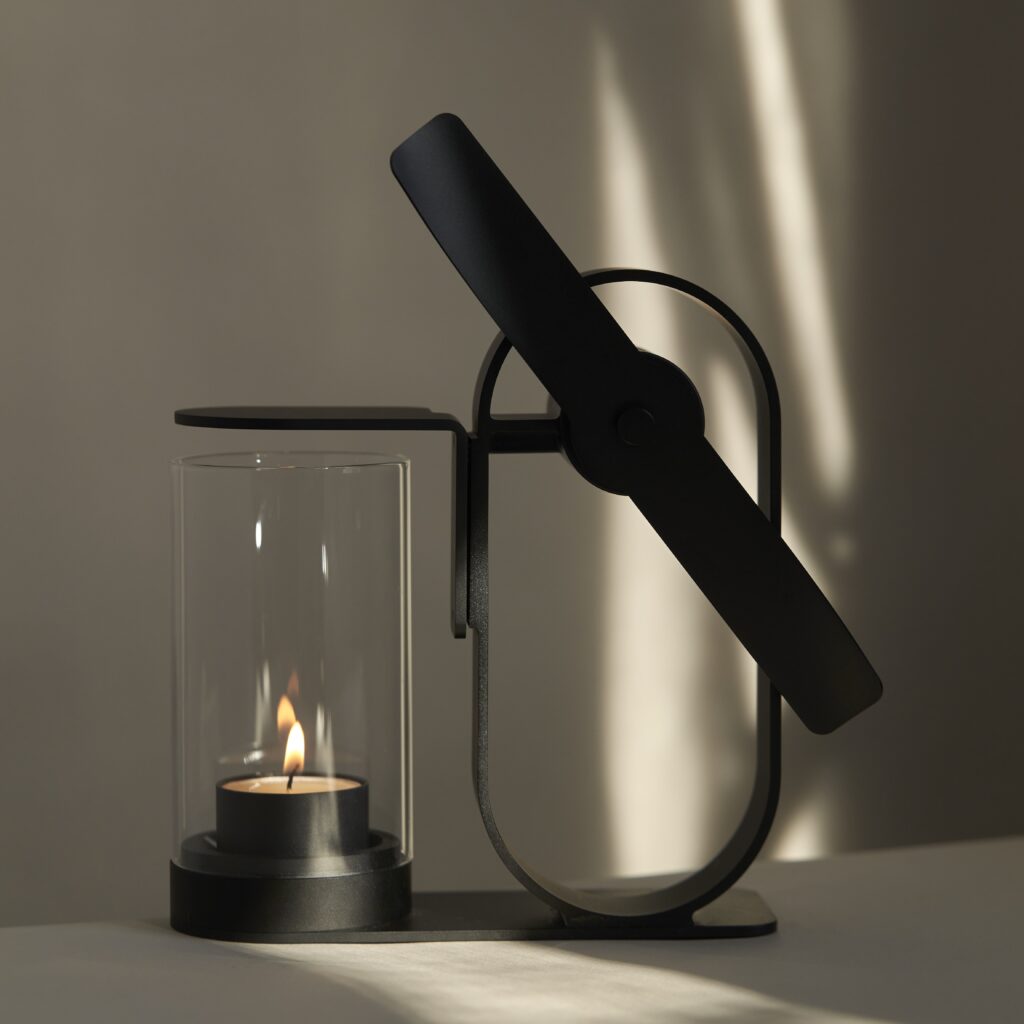
When we create, the conversation often begins with a different question — not “What should we add?” but “What happens if we remove one more thing?” This isn’t minimalism for its own sake. It is a way of ensuring that what remains has intention, coherence, and a reason to exist. A form that appears simple only stands when its structure carries enough depth to hold itself without ornament. Many of our pieces are made to sit at the periphery of daily life — present but never demanding. If they support a moment, they do so by easing into it rather than directing it. For us, restraint is not a reduction of expression but a way of protecting it — a method that allows an object to support daily use without losing its character. What remains — the contour, the meeting of material and light, the way an object settles into its surroundings — becomes the language of the work.
When an Object Begins to Live with You
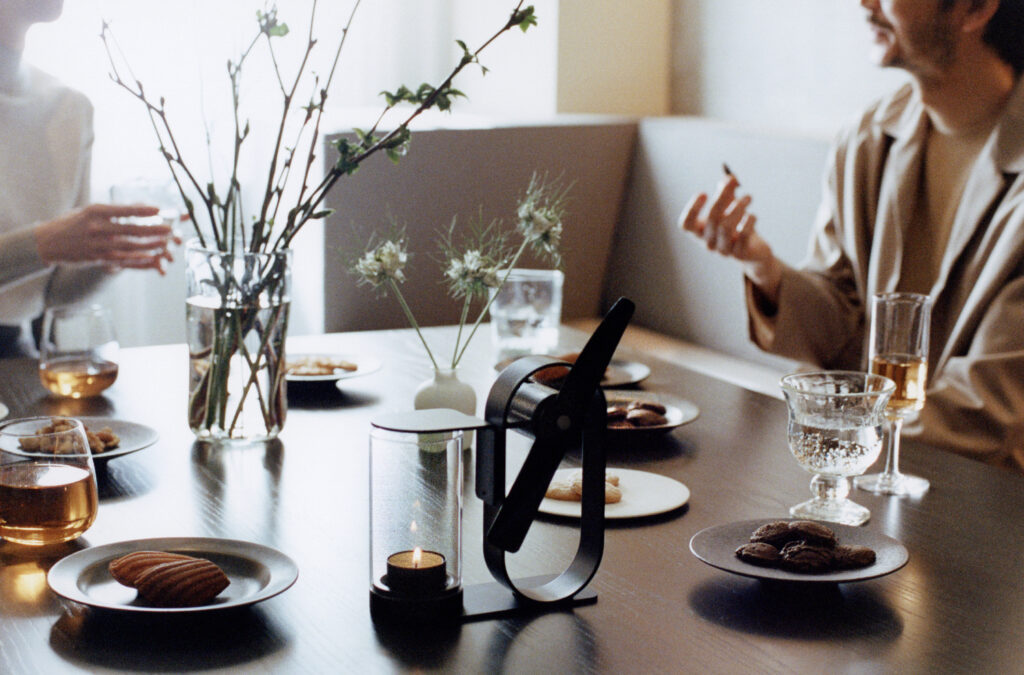
We’ve learned that the tone of light and the depth of shadow can shift how time is felt. A room brightens or softens not only visually but emotionally — and the objects within it participate in this change. We see design as a way of guiding these shifts without controlling them. It can be as simple as the way a surface redirects light at dusk, or how a form softens the atmosphere of a room without announcing itself. Our pieces are made to stay with someone across the day: to respond to changing light, to recede when needed, and to support moments that unfold without effort. When a form is calibrated with care, it doesn’t direct the person in the room; it opens a different way of noticing. Rather than producing statements, we create conditions — subtle cues that help an environment settle and allow someone to perceive what usually slips past attention.
The Position We Stand By

In the end, what matters is not what an object declares, but the presence it allows — the quiet attunement it supports in the person living with it. At Lei, completion is not an end point but an ongoing discipline. Each piece is an attempt to understand how form, light, and material can shape the way a moment is lived — not by taking control, but by refining what surrounds it. Our position is simple: the objects closest to us should complement life without overtaking it. This is why we work with both restraint and invention — exploring how structure, shadow, and technique can yield forms that feel both new and quietly familiar. Innovation for us is not about complexity, nor reduction alone. It comes from finding the point where intention, function, and form reinforce one another. Whether through a patented mechanism, the way a material interacts with light, or contours shaped through refinement, we aim to build pieces grounded equally in beauty and use. In the end, what matters is influence, not attention. If something we create helps someone notice a moment they might have passed by — and continues to serve them with steadiness over time — then it has fulfilled its purpose.