
 Nobuaki Sato




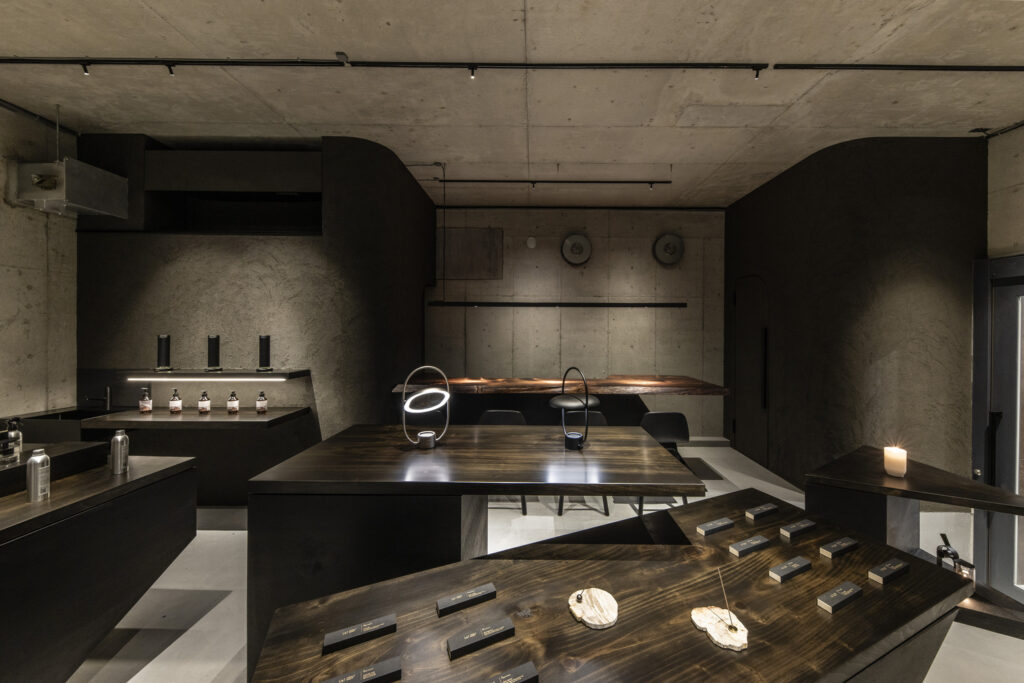
At the Lei In Praise of Shadows Flagship Store, the counter and display surfaces are finished in wiped urushi. Under the direction of lacquer artist Tasuku Murose, with the support of Kobo Yamanoha, we chose a surface that doesn’t announce itself—one that waits for the right light.
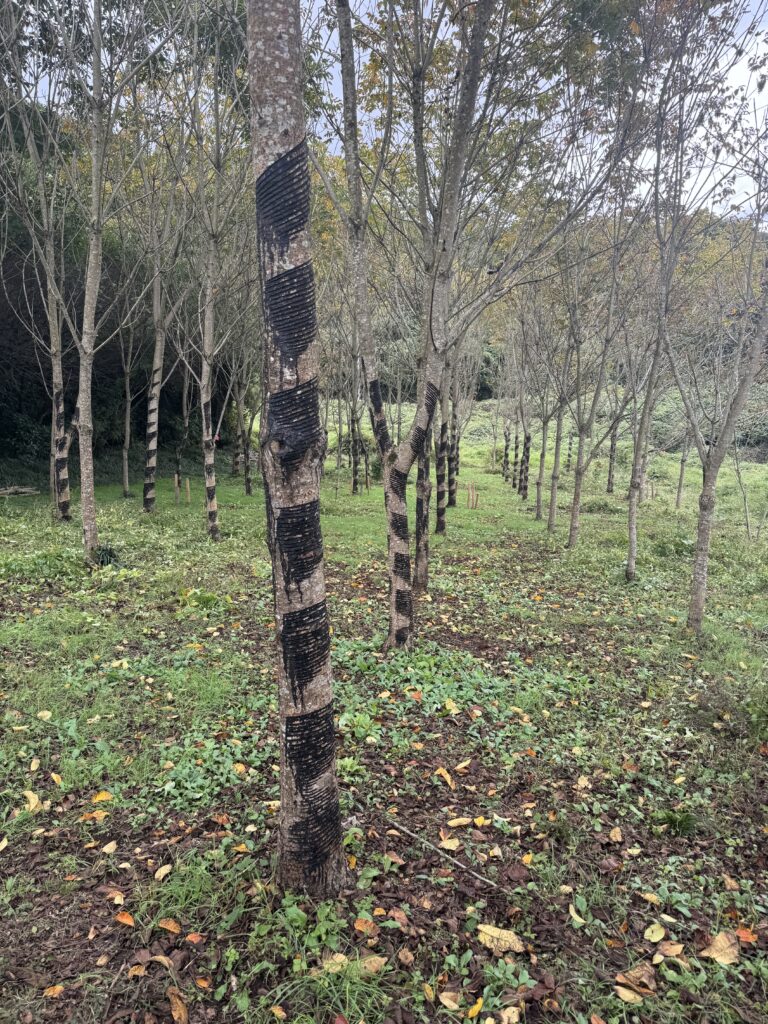
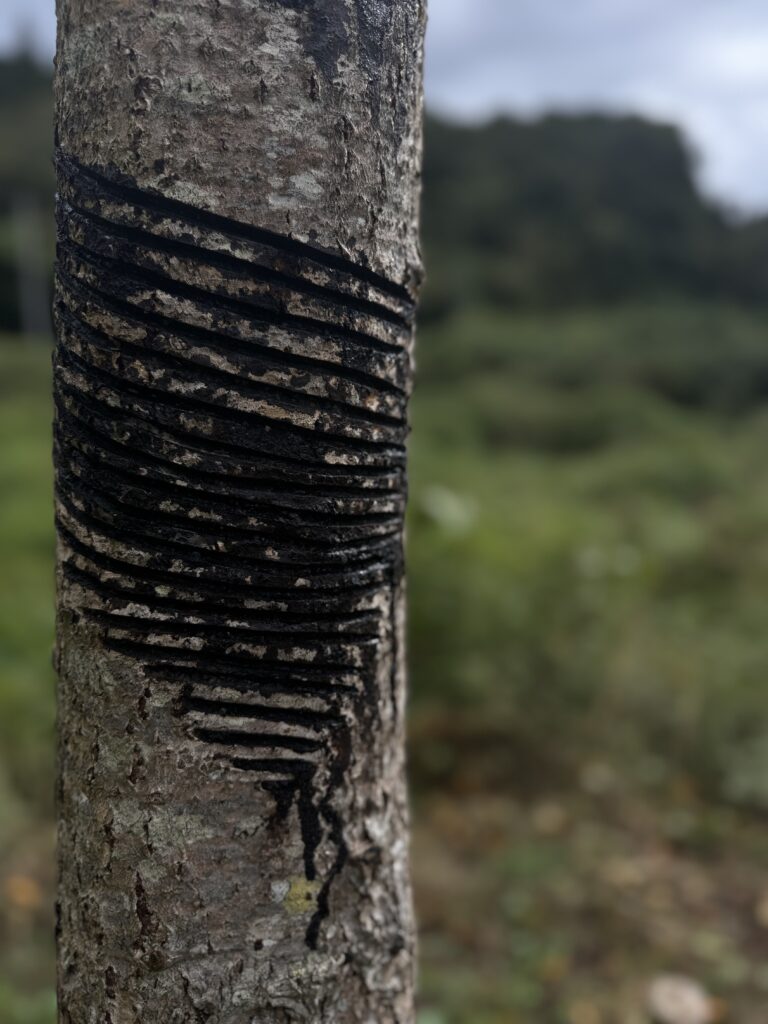
Junichiro Tanizaki, in “In Praise of Shadows,” writes of lacquer as something that truly reveals itself in dim light. Urushi is a traditional Japanese lacquer made from the sap of lacquer trees. Applied in thin layers, it does not simply shine—it gains depth as the light softens.What matters is not brightness, but the way the surface settles into shadow.
Urushi in Dim Light
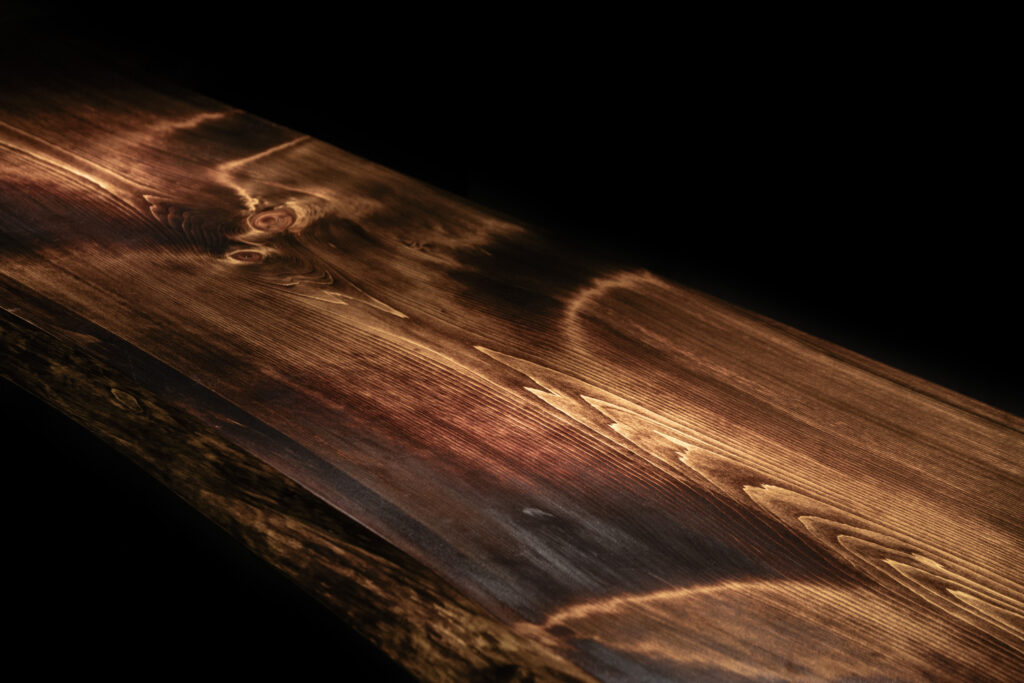
Dim light isn’t darkness. It is light that doesn’t insist. When illumination softens, the eye stops rushing to certainty, and surfaces are allowed to keep their distance. What feels “quiet” is often simply unforced.
Urushi belongs to that quiet. It doesn’t chase attention with glare. It receives light, holds it, and lets it settle—until what remains is not shine, but a kind of depth. In the right conditions, the surface seems to move slightly inward, as if making space for shadow rather than resisting it.
A Surface That Shifts
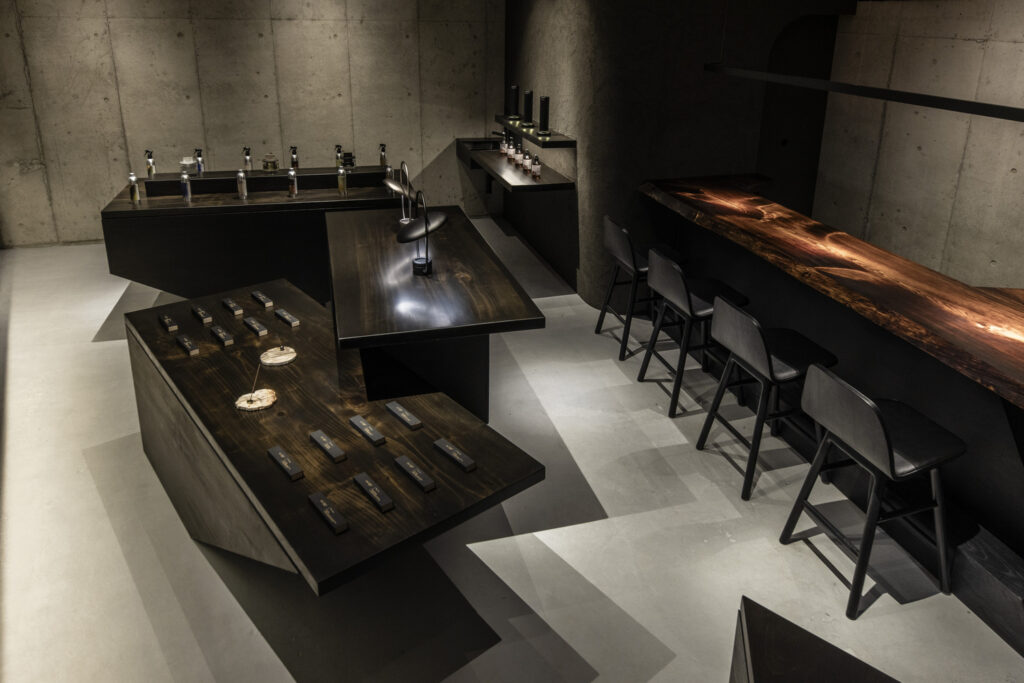
The same surface never looks exactly the same. Daylight. Lamplight. A slight change in angle. A few steps closer, a few steps away. Time passing.
At night, under a low lamp, the surface seems to recede by a fraction—less shine, more weight. Shadow doesn’t disappear; it becomes legible.
In brighter hours, urushi can appear composed, almost restrained. In the evening, it grows calmer — less a surface to “look at” than a presence that changes the room’s pace. Not through decoration, but through response. The material doesn’t fix one expression; it accepts conditions, and quietly alters what it returns.
In Praise of Shadows

Tanizaki’s language is not a manual. It is a way of seeing. He returns, again and again, to the idea that beauty is not something extracted by forceful illumination, but something that appears when light and shadow are allowed to coexist.
In “In Praise of Shadows,” he writes that the beauty of lacquer is fully revealed only in a faint, dim glow.
Lei begins where light and shadow meet. Not to elevate shadow over light, nor to romanticize darkness—but to notice what becomes visible when neither dominates. When light stops performing, depth has room to appear.
What Lei Holds
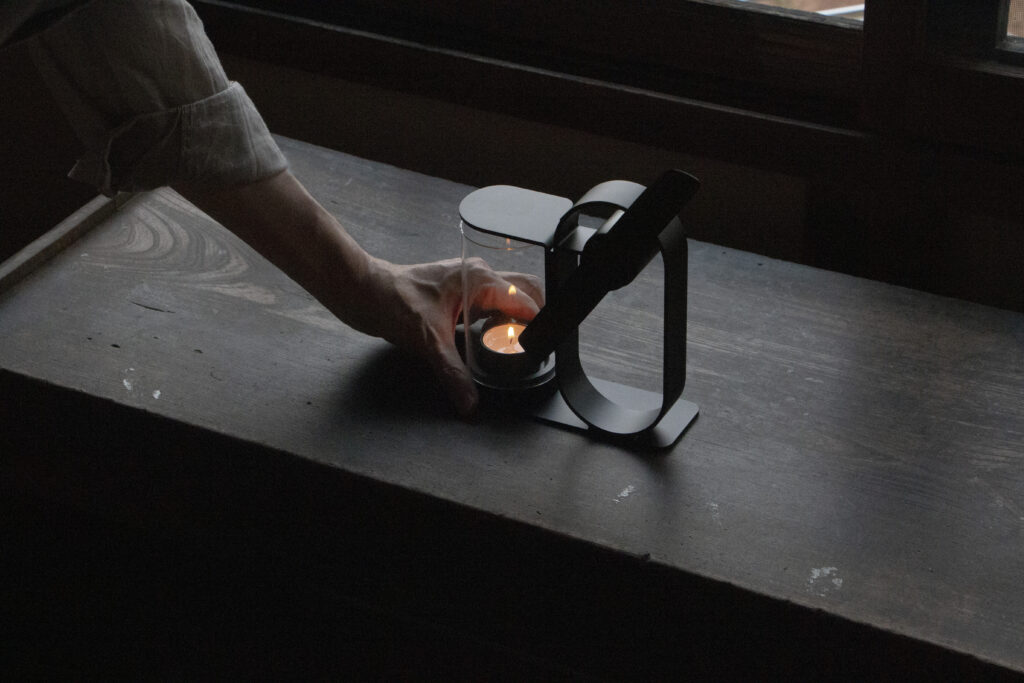
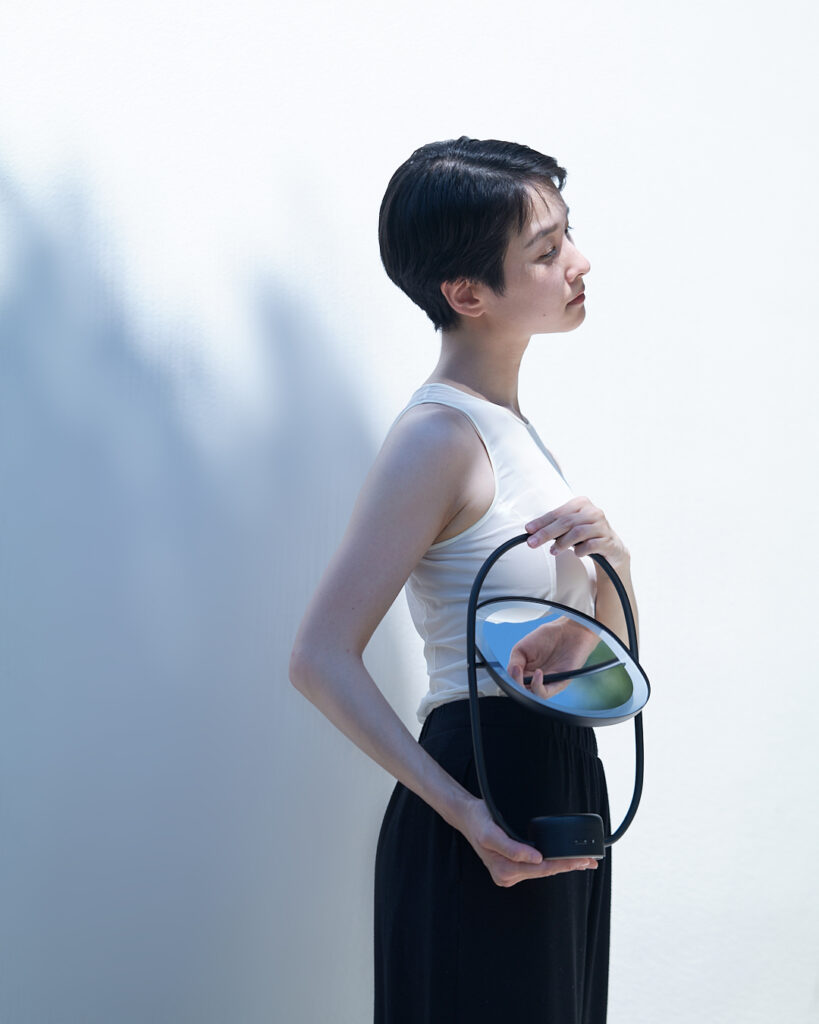
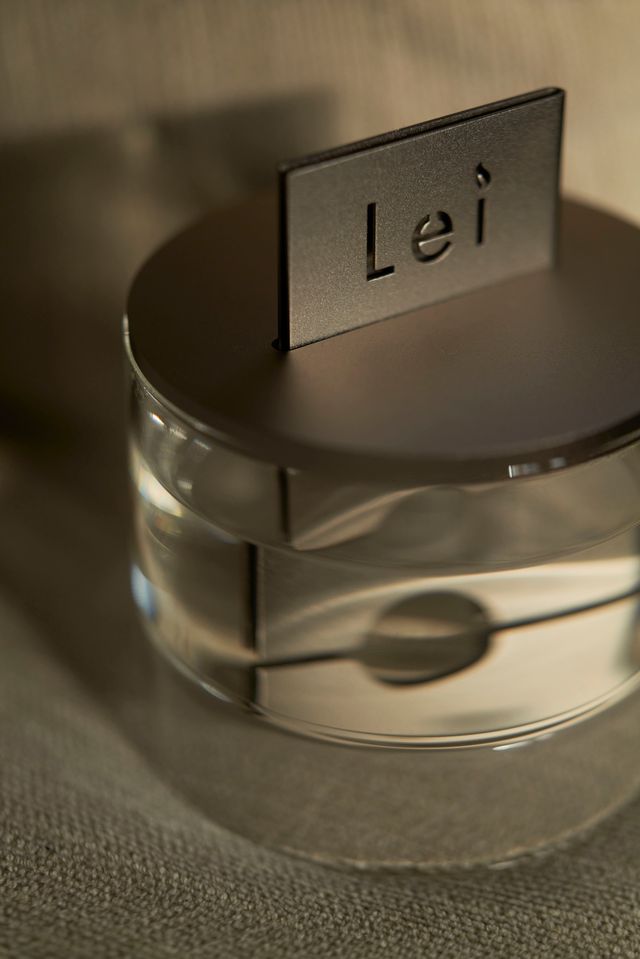
Our collection is not only the object itself, but the shadow it casts. The outline a piece draws on a surface. The way its presence shifts when the light in the room shifts. What happens when light is reduced, when contrast softens, when attention becomes less urgent.
In quieter light, the eye slows. When the eye slows, scent arrives differently—not as a verdict, but as breath. Not “good” or “bad,” but present. The body reads before the mind explains. Form remains, but it no longer needs to compete.
This is close to what we mean by “returning to zero.” Not a dramatic reset, not a reward, not an escape—simply a neutral breath. A quiet readiness to move again. Not light alone, not shadow alone—something quieter in between.
Urushi belongs to this way of holding a space. It does not add brightness. It refines the condition in which depth can appear, and remain.
In the quieter hours—when the store is neither fully day nor fully night—urushi reads differently. If that depth returns your breath by a fraction, urushi has already become an experience.
-Notes
In Praise of Shadows: Junichiro Tanizaki’s essay on light, shadow, and Japanese aesthetics.